

Every year, millions of British homes lose a huge amount of heat through their walls, roofs, and floors. In fact, a typical uninsulated property can lose up to 35% of its warmth through the walls and a further 25% through the roof. That means the energy you pay for is literally vanishing into thin air.
Proper insulation is one of the simplest, most effective, and long-lasting ways to make your home more comfortable — while cutting down on energy use and heating bills.
Why Insulation Matters
Insulation acts like a thermal blanket for your home. It slows down the rate at which heat escapes during winter and helps keep your home cooler in the summer. The result?
-
Lower energy bills
-
Fewer draughts and cold spots
-
A more consistent indoor temperature
-
Reduced carbon emissions
Because heating makes up nearly one-fifth of all UK carbon emissions, improving insulation is one of the most direct ways households can contribute to a greener future.
Where Heat Escapes — and How to Stop It
Different parts of your home require different types of insulation. A well-insulated property combines multiple measures to stop heat from escaping through any surface.
1. Loft Insulation
Around a quarter of a home’s heat is lost through an uninsulated roof. Loft insulation is quick to install and can last over 40 years, paying for itself many times over in reduced heating costs. It can be laid in rolls between and over joists, or fitted between rafters if your attic is converted into a room.
Benefits:
-
Affordable and quick to install
-
Major energy savings
-
Works immediately
2. Cavity Wall Insulation
Many UK homes built after the 1920s have two layers of wall — an inner and outer “cavity” separated by an air gap. Filling this gap with insulating material drastically reduces heat loss.
Benefits:
-
Saves up to 35% of heat energy
-
Reduces condensation on interior walls
-
Minimal disruption during installation
3. Solid Wall or Internal Wall Insulation
Older homes often have solid walls with no cavity to fill. These can be insulated internally with panels or externally with a specialist render system.
Benefits:
-
Transforms the warmth of older properties
-
Improves comfort and noise reduction
-
Boosts EPC rating significantly
4. Room-in-Roof Insulation
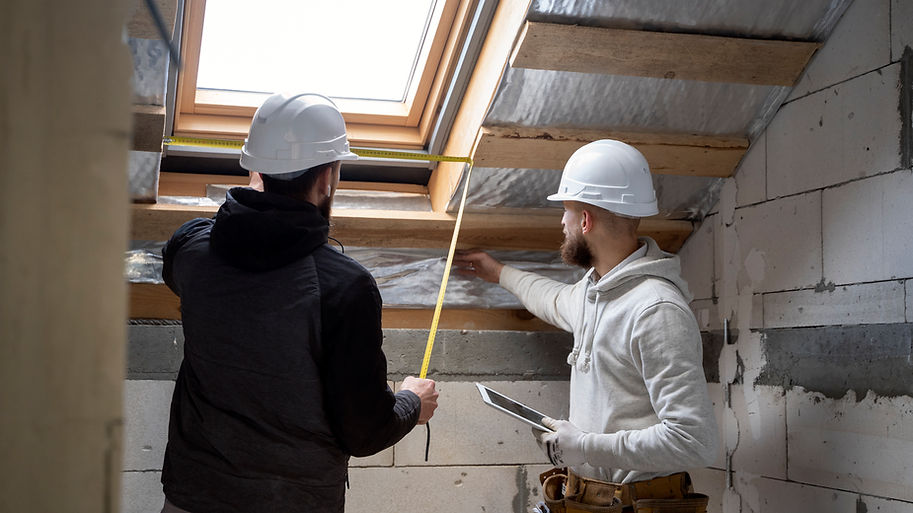
If your home has a loft room or attic conversion, room-in-roof insulation prevents heat escaping through sloping ceilings and dormer walls. It’s installed beneath the plasterboard and behind walls to retain warmth.
Benefits:
-
Keeps attic rooms usable year-round
-
Complements loft or wall insulation
-
Helps stabilise temperatures throughout the house
5. Floor Insulation
Cold air rises from below, especially in homes with suspended timber floors. Adding insulation beneath the boards or on top of concrete floors reduces heat loss and makes the space feel more comfortable underfoot.
Benefits:
-
Reduces draughts and cold feet
-
Helps prevent damp and condensation
-
Works well with other insulation upgrades
Types of Insulation Materials
There are several types of insulation available, each suited to different parts of the home. Here are some of the most common materials used under ECO4 and LA Flex schemes:
Mineral Wool (Glass or Rock Wool)
One of the most widely used materials for lofts and cavity walls. It’s made from recycled glass or stone fibres spun into a soft, wool-like texture.
Advantages: Fire-resistant, sound-insulating, cost-effective, and easy to install.
ThermaQuilt / Multi-Foil Insulation
A modern, high-performance product made from reflective foil layers and wadding. It reflects heat back into the room while reducing radiant heat loss.
Advantages: Lightweight, thin (ideal for tight spaces), highly effective in roof and loft areas.
Blown Fibre Insulation
Used for cavity walls or hard-to-reach lofts, this loose material is blown into place to fill every gap.
Advantages: Quick to install, seamless coverage, and excellent for irregular spaces.
Rigid Board Insulation (e.g. PIR or Phenolic Boards)
Often used for walls, floors, and roofs, these rigid boards offer strong thermal performance in a compact thickness.
Advantages: Very low thermal conductivity, ideal where space is limited.
Why It’s Worth Doing
Insulation upgrades not only cut energy use — they also make your home more comfortable, increase property value, and reduce strain on your heating system. Under the ECO4 and LA Flex government schemes, qualifying households can often have these measures installed completely free of charge.
Even for households not eligible under ECO4, insulation remains one of the most cost-effective home improvements available, often paying for itself within just a few years.